Why Physical Exfoliation Matters – And How to Do It Naturally at Home
Exfoliation is the process of removing dead skin cells to make way for new, healthy ones. This leads to smoother, brighter, more even-toned skin. It’s a key part of any anti-aging skincare routine.
There are three main types of exfoliation:
- Chemical (acids, peels, microdermabrasion)
- Physical (granular scrubs)
- Enzymatic (fruit enzymes that dissolve dead skin)
This article focuses on physical exfoliation using simple, plant-based ingredients—many of which are probably already in your kitchen.
Exfoliation is Like the Seasons
Think of your skin like your wardrobe: in winter, you layer up. In summer, you shed those layers. The layers aren’t bad—they served a purpose. But when the season changes, they need to come off.
Exfoliation works the same way. Dead skin cells build up over time. When you exfoliate, you’re taking off those old “layers” so fresh, new skin can breathe. And just like seasons, skin renewal is ongoing. Regular exfoliation helps maintain youthful, glowing skin.
Why Physical Exfoliation Is Crucial in Anti-Aging
- Deep Cleansing – Removes dirt, pollution, and leftover makeup or skincare.
- Smoother Texture – Skin feels softer and more refined.
- Brighter Skin – Dullness fades, tone becomes more even.
- Reduces Fine Lines – Encourages new skin cells that plump and firm the skin.
Ground Rules Before You Scrub
To avoid damaging your skin, follow these five key steps:
- Cleanse first – Start by washing your face with your normal cleanser
- Moist skin only – Always exfoliate on damp skin. Dry scrubbing can tear your skin.
- Be gentle – Think “baby skin.” Treat your skin as you would a baby’s. Scrubbing harder doesn’t mean better. It actually causes damage.
- Moisturize after – Lock in hydration with oil, cream, serum—whatever works for your skin.
- Don’t skip your neck and chest – These areas show age just as much as your face.
6 Natural Physical Exfoliants You Can Use at Home
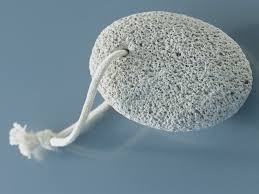
1. Pumice Stone
- Best for: Face and body (avoid if you have acne or open wounds)
- Gritty and effective. Use with soap or body wash on damp skin for a gentle scrub.
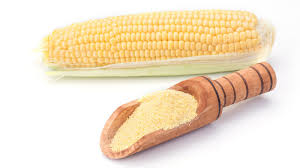
2. Maize Meal (Cornmeal)
- Best for: Most skin types (not for broken or acne-prone skin)
- Mix 1 tbsp maize meal with 1 tbsp water or honey to form a paste.
- Use on face and body. Affordable and effective.
3. Oats
- Best for: Normal to oily skin (can be drying for dry skin)
- Blend ½ cup oats into a powder.
- Mix with equal parts honey or water.
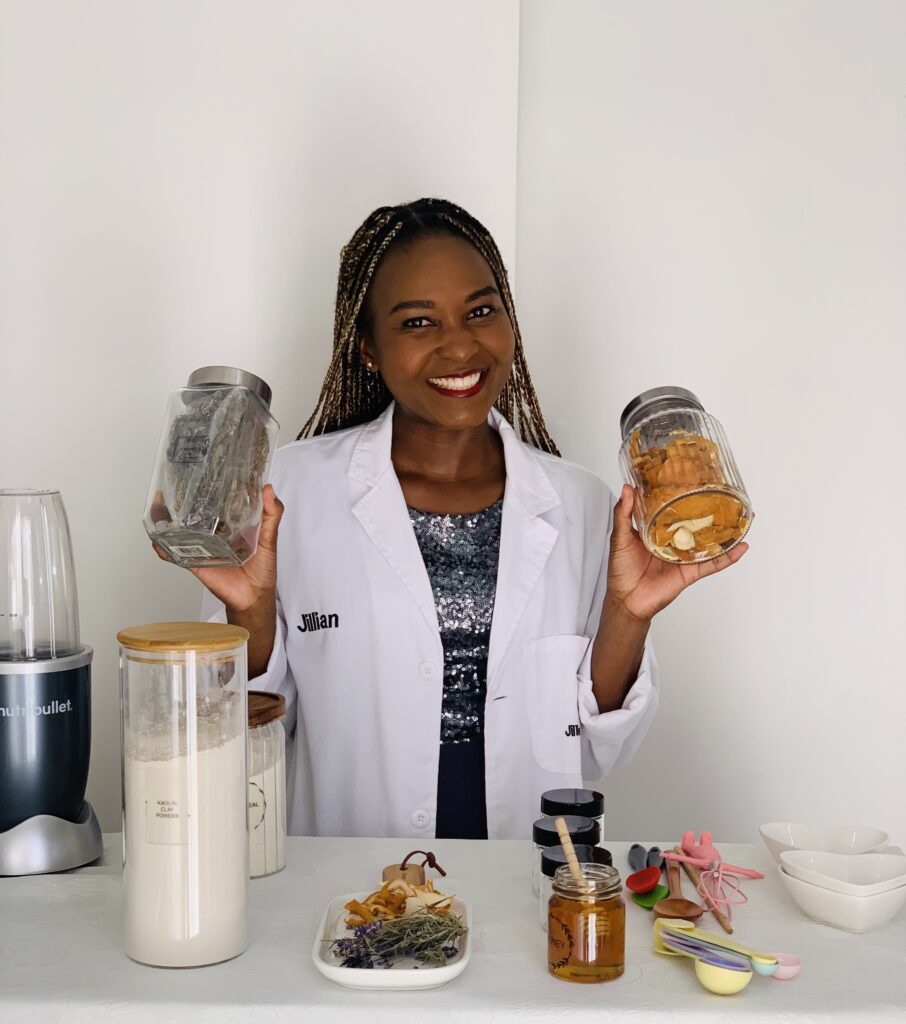
- Optional (from our 20th April 2025 virtual workshop):
- Add dried orange peel (rich in vitamin C)
- Add lavender for soothing effect
- Recipe:
- ½ cup oatmeal
- ½ cup honey
4. Sugar
- Best for: Most skin types (not for acne or cuts)
- Tiny granules make it safe for face and body.
- Easy mix: ½ cup sugar + ½ cup oil of your choice (coconut, olive, etc.)
5. Honey
- Best for: All skin types, especially sensitive or acne-prone
- Can be used on its own or with herbs/spices.
- Naturally antibacterial and hydrating.
6. Clay
- Best for: Oily skin
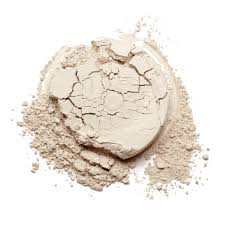
- Draws out oil and impurities. Kaolin clay is the gentlest.
- Avoid using metal spoons when mixing clay—stick to wood or plastic.
From our 20th April 2025 Workshop Recipe:
- 1 Tablespoon kaolin clay
- 1 teaspoon alma powder (vitamin C, antioxidants)
- 1 teaspoon activated charcoal (deep cleanses pores)
- 1 Tablespoon water
- Mix into a paste and apply to clean face.
Final Thoughts
Exfoliation isn’t a luxury—it’s essential skincare whether for anti-aging or not. Doing it naturally with ingredients you trust makes it even better. Just remember: gentle, regular, and suited to your skin type. Let your skin breathe, shine, and age gracefully—on your terms.